Construction Home Loans
Building a home isn’t just about bricks and blueprints. It’s about freedom, designing your space your way, choosing every detail, and watching your vision come to life from paper to reality. But while the idea is exciting, the finance side? That’s where things often get overwhelming.
At Realloans Australia, we help borrowers prepare and compare construction loan options for a first home build, an owner-occupied upgrade or a residential investment project. We explain likely lender requirements, the progress-payment process and how the proposed build fits with your borrowing position. Larger property developments may need a different finance structure.
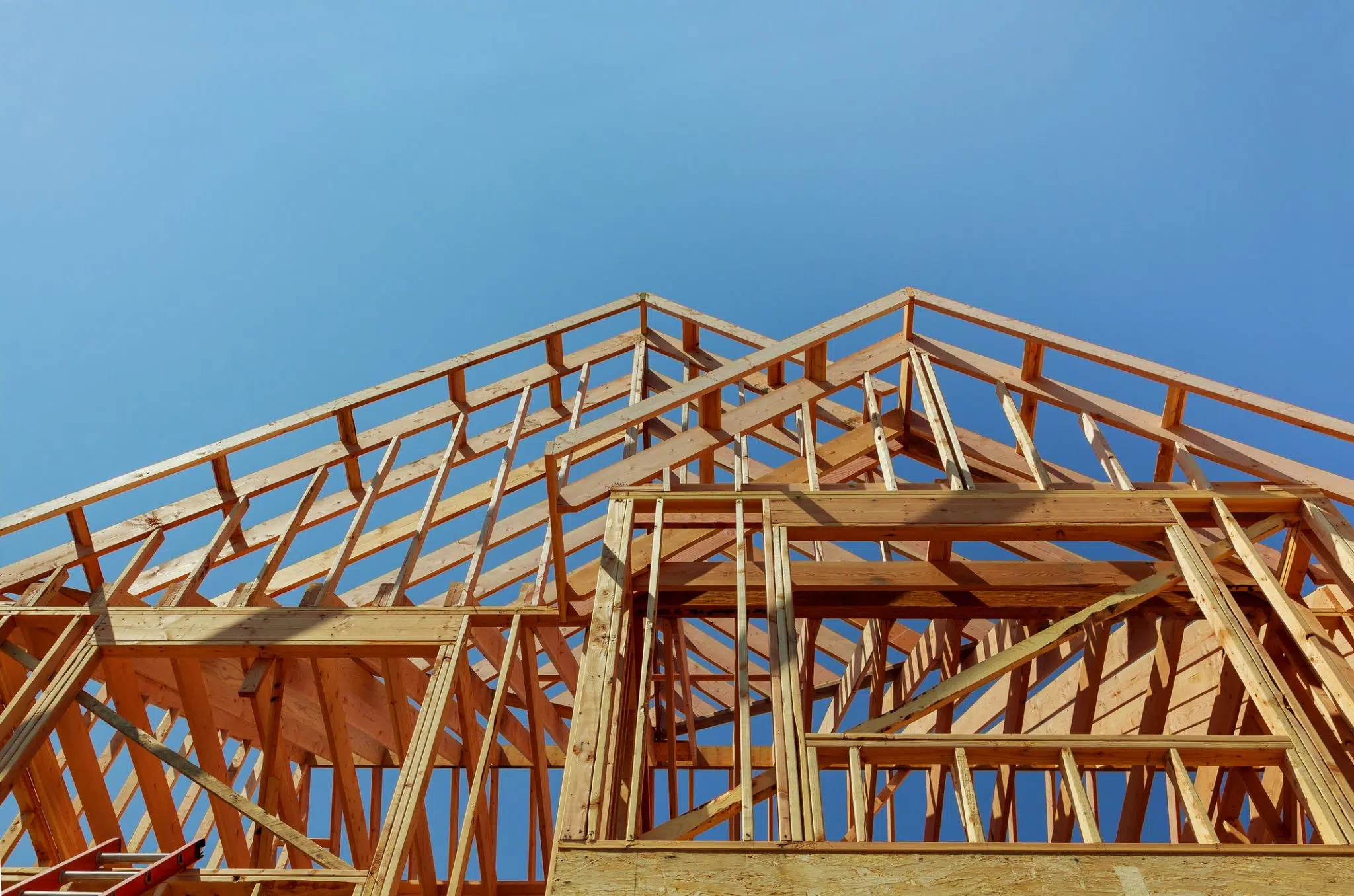
What Is a Construction Home Loan?
Construction loans commonly release approved funds in stages as the build progresses, rather than advancing the full amount at the start. The exact drawdown process depends on the lender, building contract and project.
How It Works:
- The lender may pay approved progress claims to the builder after receiving the required documents or checks.
- Interest is commonly calculated on the amount drawn, subject to the lender’s product terms.
- At completion, the lender may require final documents or an inspection before the ongoing loan arrangements take effect.
This staged structure can reduce interest charged during construction compared with drawing the full loan at the start. Your actual repayments and interest depend on the lender’s product terms and the timing of each drawdown.
How a Construction Loan Moves From Contract to Completion
The sequence below explains common construction-finance steps. The lender, builder and project documents determine the exact order, evidence and timing.
- Project and contract review. Realloans reviews the building contract, plans, cost breakdown, progress-payment schedule and borrower documents before comparing available construction finance options.
- Initial lender and property assessment. The selected lender assesses the application and proposed security. It may arrange a valuation or request more information before making a decision.
- Progress payments. After approval and any conditions are met, the borrower or builder submits progress claims. The lender decides what evidence or checks it needs before each drawdown and how approved funds are paid.
- Variations and cost changes. Contract variations, cost overruns or changes to the borrower’s position may require updated documents, extra funds or lender reassessment.
- Completion evidence. Near completion, the lender may request a final inspection, valuation, certificates, invoices or other confirmation before the final payment.
- Ongoing loan structure. After the lender’s completion requirements are met, the loan moves to the post-construction repayment structure set out in the lender’s product and loan documents.
Building your first home? Start with First Home Buyer Loans for purchase readiness and government-program context. For broader loan categories and the wider buying or refinancing process, see Home Loans.
Why Construction Loans Feel Complicated
From builder contracts and progress payment schedules to council approvals and valuations, construction loans come with extra moving parts. And for most people, it’s not something they deal with every day.
That’s why working with someone who understands the entire process, not just the finance part, can make all the difference.
Realloans acts as a finance broker. We help assess the proposed build, borrowing position and available construction loan options, then prepare the application for the selected lender. The lender makes the credit decision and controls its valuation, document and progress-payment requirements.
Who May Use a Construction Loan
- First-home buyers building a house
- Existing owners building a replacement or next home
- Residential investors funding a single dwelling or small residential project, subject to lender policy
- Owner-builders, where a lender accepts the project and structure
- Borrowers completing major renovations that need staged payments
The right structure depends on the build contract, property, borrower position and lender criteria. We can help you compare the available approaches before you commit.
Enquiry Now
How We Help You Through the Process
1. Review Your Budget and Build Costs
Before you commit, we review your borrowing position and proposed budget, including land, the building contract, site works and any available contingency.
2. Compare Construction Loan Options
We compare available lender requirements, progress-payment processes and product terms against your project and borrowing position. Availability depends on lender policy.
3. Prepare Documents and Follow Up
Construction applications need extra evidence, which may include a fixed-price contract, approved plans, a progress-payment schedule, financial documents and lender-requested valuations. We help organise the application and follow up required items. The lender and other parties control their assessment and timing.
4. Support Drawdowns and Completion
We can help coordinate lender information requests during the build. Each progress payment, inspection and completion step remains subject to the lender’s process and the project documents.
What You’ll Need for a Construction Home Loan
We’ll explain what your lender may require for the construction application and each progress payment.
- A signed building contract from a licensed or registered builder, as applicable
- Approved plans and permits, where required
- A project timeline and progress-payment schedule
- Evidence of your deposit (or equity if refinancing)
- Standard income and ID documents
If you’re self-employed or use non-standard income documents, see our Low Doc Construction Loans page. Availability and document requirements depend on the lender.
Why Us?
Construction finance involves more than submitting one application. Realloans can help you understand lender requirements, prepare supporting documents and follow up lender requests during the build.
How we can help:
- We explain the finance process and key project milestones
- We review supporting documents before submission.
- We compare available lender requirements and loan structures.
- We help coordinate information requested for progress payments.
- We remain available through lender assessment and construction.
A finance broker can help keep the application information organised, while the lender decides whether to approve the loan and each drawdown.
Ready to Build? Let’s Get You Loan-Ready
Whether you have plans and a builder quote or are still estimating the project, an early discussion can help you understand likely finance requirements and next steps.
Realloans Australia is a finance broker that can help you compare construction loan options and prepare an application.
Call us for a personalised discussion or use the contact form to tell us about your proposed build.
FAQS
How do construction home loans work in Australia?
Construction loans commonly release approved funds in stages as work progresses. Before each drawdown, a lender may request a builder invoice, progress claim, valuation, inspection or other evidence. The exact stages, payment method and interest calculation depend on the lender, building contract and project.
How much deposit do I need for a construction loan?
There is no single deposit requirement for every construction loan. A lender may assess the land value, building contract, total project cost, available cash or equity, valuation, borrower position and whether LMI or another policy applies. We can compare available lender criteria once the project and financial position are clear.
Can I use a construction loan for renovations?
A construction loan may suit a major renovation, extension or knockdown rebuild when the lender accepts the project and funds need to be released in stages. Smaller renovations may use a different finance structure. The lender will decide based on the scope, contract, property and borrower position.
What documents do I need for a construction loan?
Requirements vary by lender and project. Common requests include identification and financial documents, a building contract, plans and permits where required, builder details, quotes or specifications, a progress-payment schedule and evidence of deposit or equity. The lender may also request valuations, inspections or updated documents during the build.